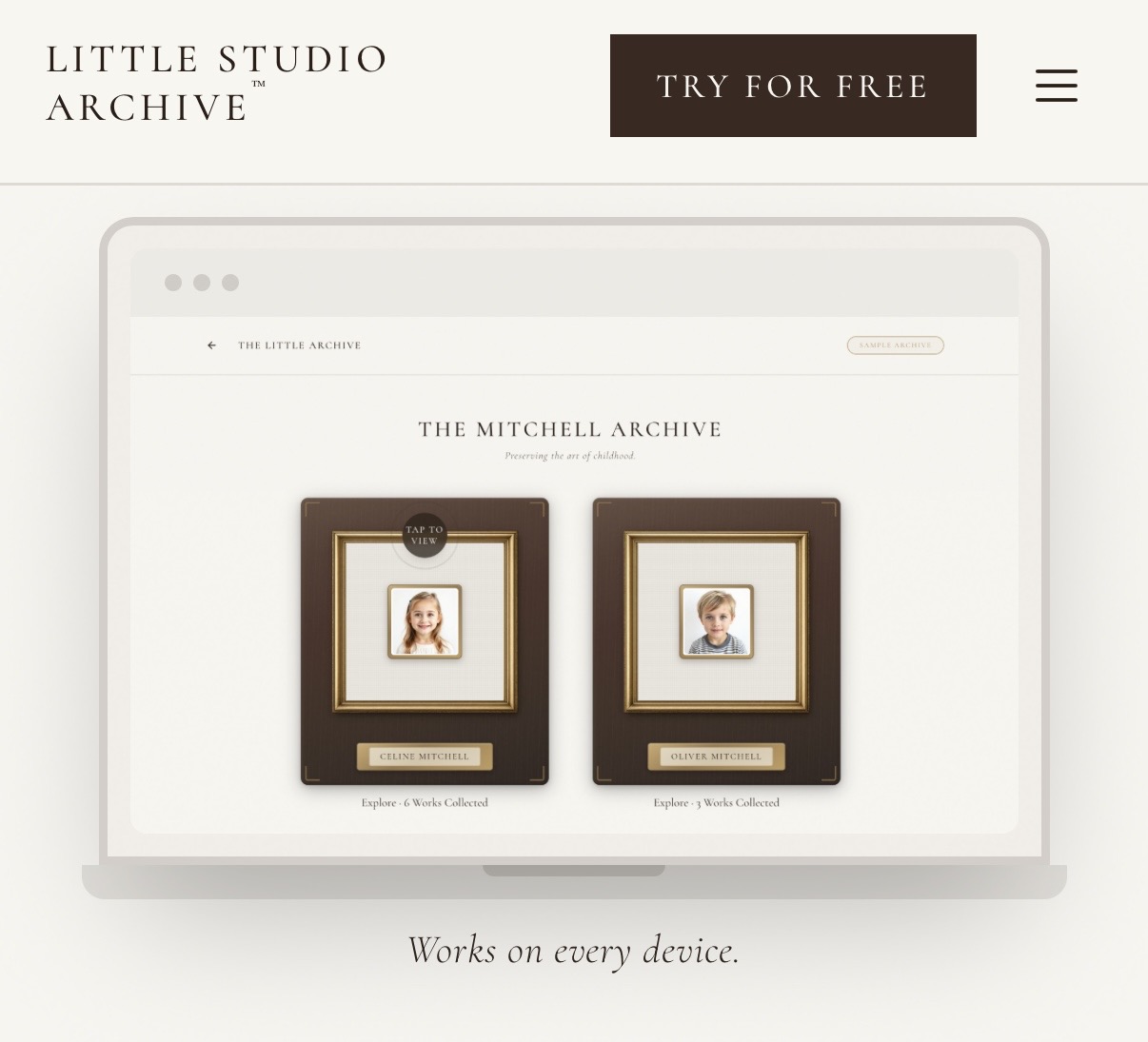
How I Built Little Studio Archive Solo Using AI
Vibe Coding a SaaS Product for the First Time — Learnings for Design Leaders & Developers
Overview
I built a full SaaS product using AI — no engineers, no Figma handoff, no sprints. This is what I learned. Not just about the tech stack, but about the trap of building before validating, the addictive pull of vibe coding, and why the design process matters more — not less — in an AI-native world.
Product Demo
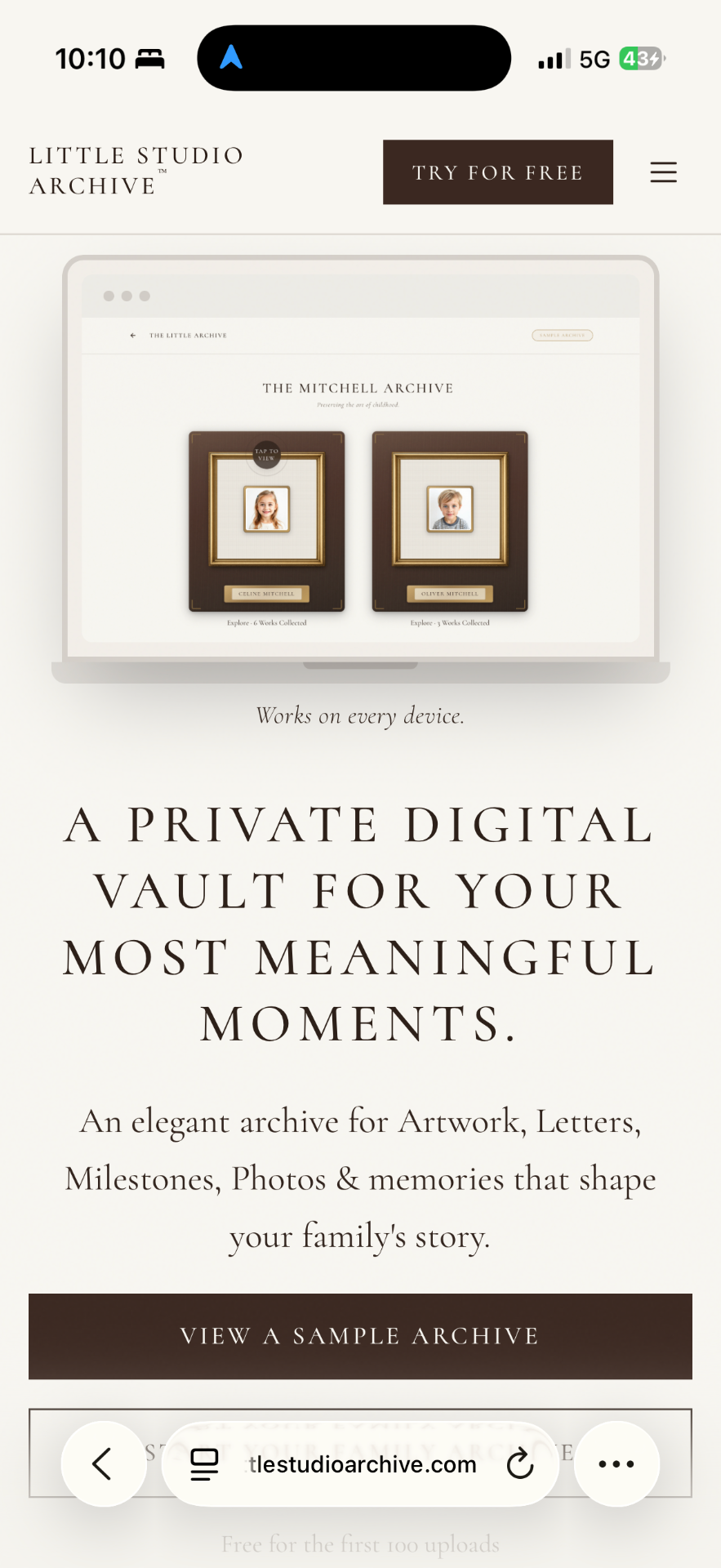
A walkthrough of Little Studio Archive in action — creating memories, organizing by family, and navigating the product experience I designed and built end to end.
The Problem
My hypothesis was personal. I have 19,000 photos on my phone. I can't find the one that matters. My kids' artwork ends up in a bin because I feel guilty throwing it away but have nowhere meaningful to put it.
Families aren't losing memories because they don't care. They're losing them because the tools are built for storage, not meaning.
The real problem: We have too much content and no structure for what's worth keeping.
I believed other parents felt the same guilt. I believed they'd pay to solve it. I built the product before testing whether that belief was true.
The AI Stack
Core Stack
- · Lovable AI — full-stack conversational development
- · Stripe — subscription billing
- · Authentication layer — account and session management
- · Cloud storage — media persistence
- · Iterative prompt architecture — structured feature definition
- · Live browser testing — design in production
How I Used AI: Instead of writing code manually, I wrote product intent in plain language. The AI translated intent into architecture. My role was product judgment, not syntax.
Designing in Production
Instead of a Figma-first workflow with handoffs and sprints, I designed directly in the browser using Lovable. The feedback loop compressed from days to minutes. I could see interactions, test real data, and validate edge cases in real time.
This is the fundamental shift of AI-native design: you stop mocking what something could be and start building what it is.
Product Strategy
Core User Loop
Create a memory → Organize it → Share it → Revisit it. Every feature had to serve this loop or it was cut.
- Family as a First-Class Object: Family members aren't just recipients — they're co-curators. Every memory is contextually linked to the people in it.
- Premium Over Utility: Most photo apps feel functional but cold. I positioned Little Studio Archive as a premium, editorial product — closer to a luxury stationery brand than a cloud backup tool.
- Friction as Emotional Signal: I intentionally added friction to deletion flows and archive actions. When something is precious, it should feel weighty to remove.
Business & Monetization
I owned the entire monetization layer — not just the design of it, but the strategy behind it.
- · Subscription gating — premium features locked behind a Stripe paywall
- · Pricing psychology — tiered structure anchored to perceived value
- · Upgrade flows — contextual prompts tied to moments of high intent
- · Cancellation flows — retention-designed offboarding with pause options
- · Retention hooks — anniversary reminders, family milestone notifications
- · Payment edge cases — failed payments, card expiry, grace periods
What I'd Do Differently
Don't build the product first. Vibe coding is addictive. The feedback loop is euphoric — you describe something and it exists in minutes. That feeling will seduce you into solution mode before you've validated anything.
The test I should have run:
- · Write the value proposition
- · Design a single compelling landing page
- · Drive traffic with $200 in ads
- · Put a waitlist or a pre-order button on it
- · See if strangers give you their email or their credit card
"We spent decades teaching teams to validate assumptions before building. That principle doesn't disappear in an AI-native world — it becomes more important. Because now you can build the wrong thing extremely fast."
Instagram Ad Campaign
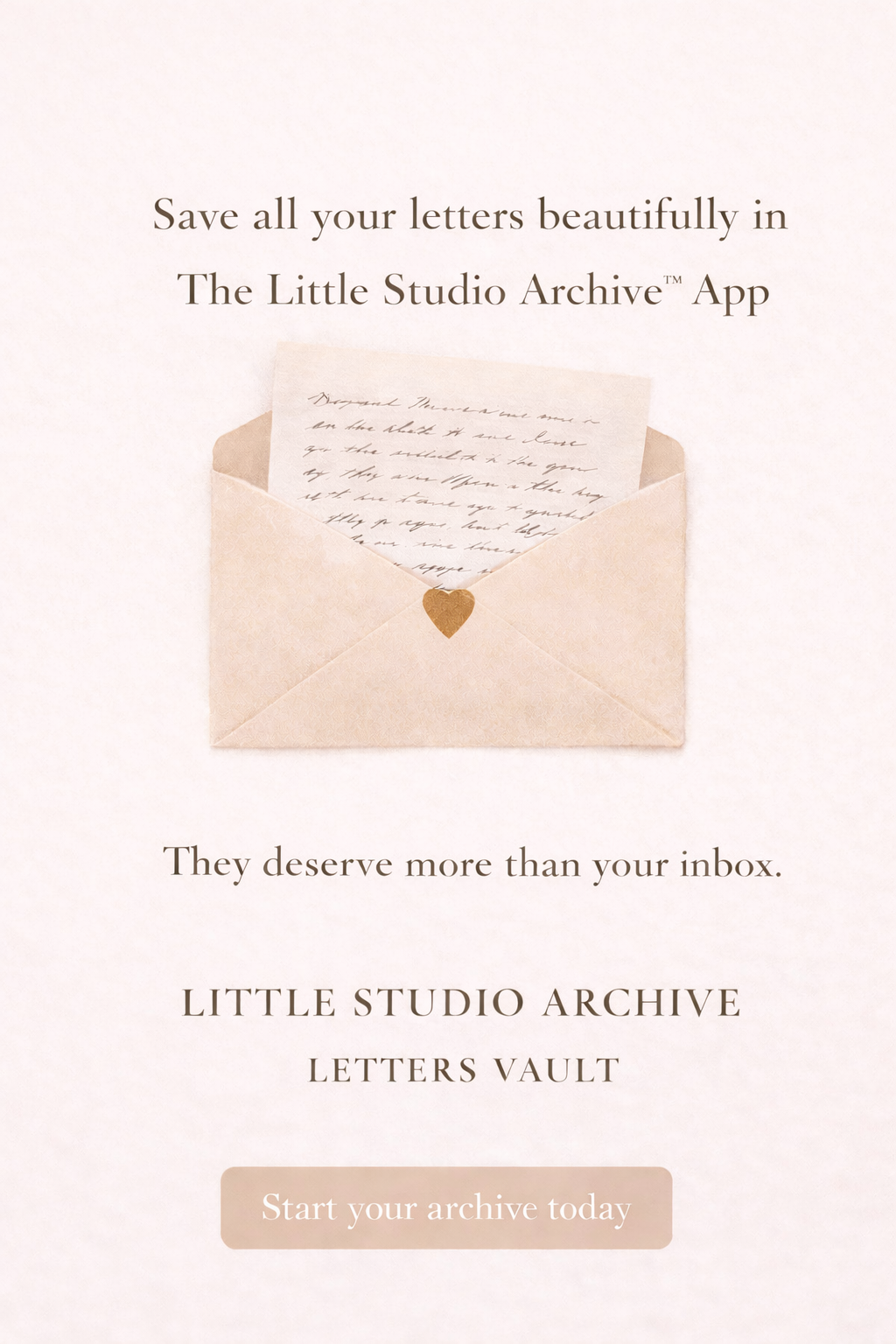
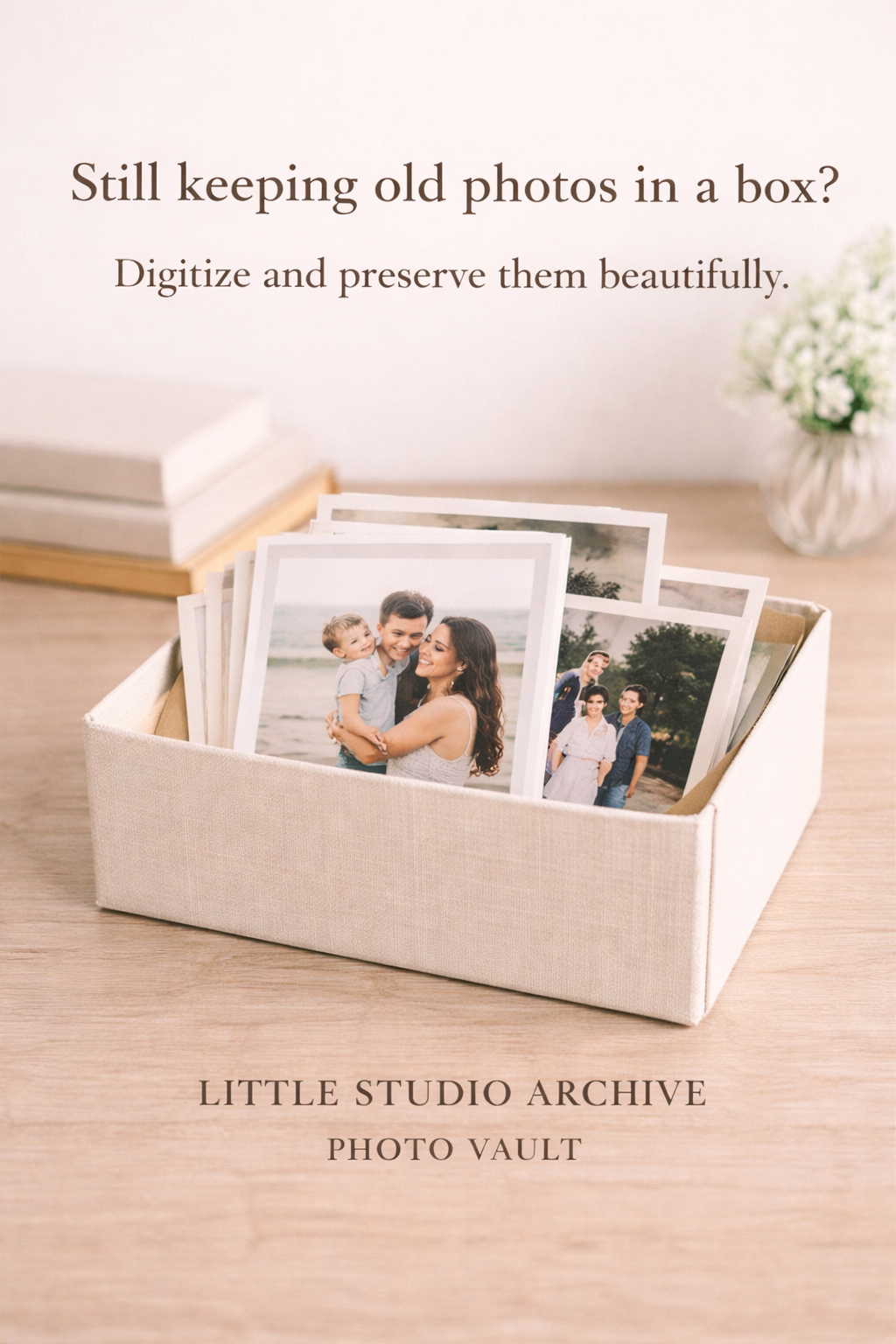
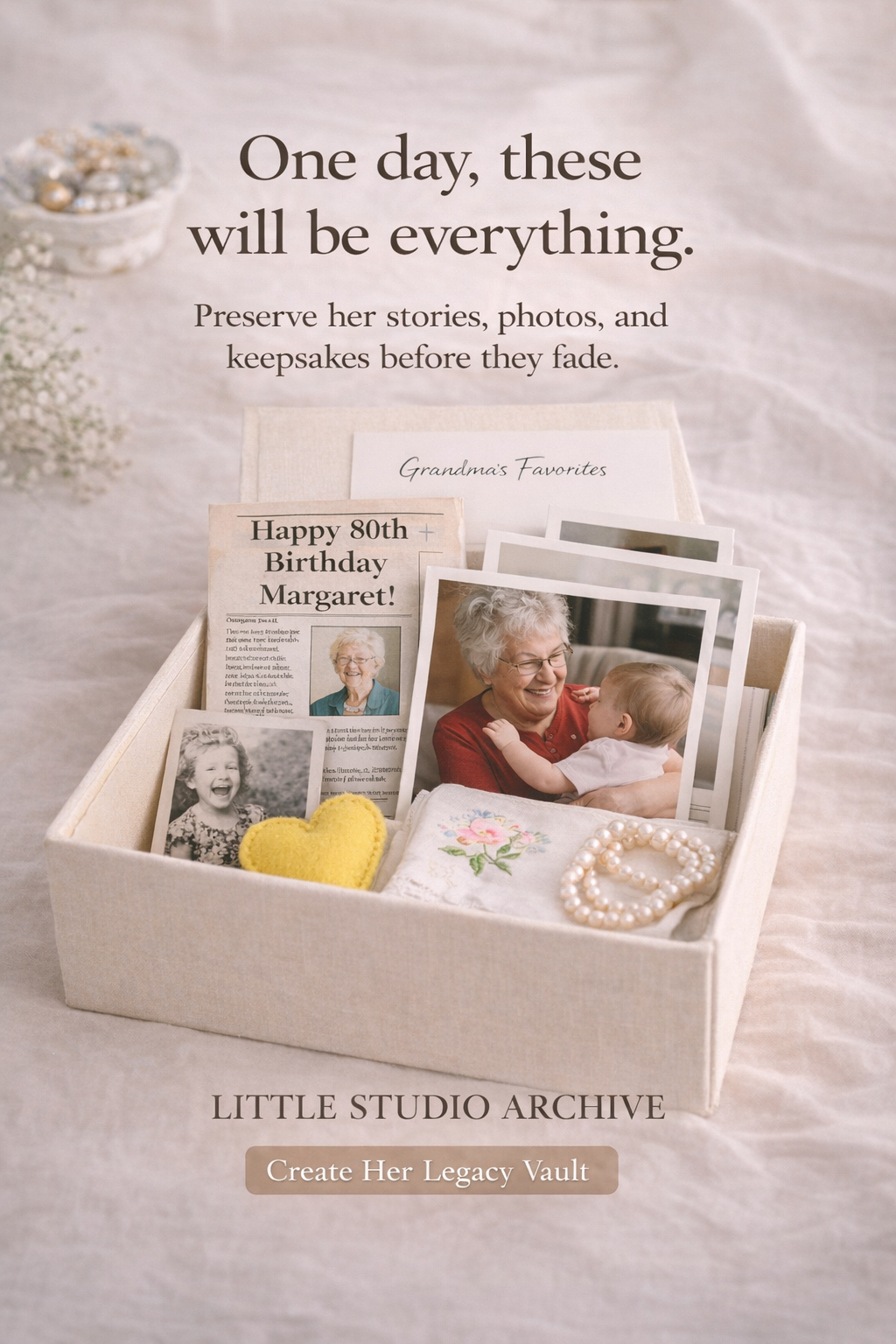
I designed, wrote, and tested the entire ad campaign myself. Each creative was built to target a specific emotional trigger — guilt about losing memories, the mess of physical clutter, and the fear of fading stories. I tested multiple angles to learn which resonated most with parents and families.
The campaign ran on Instagram with a modest budget, targeting parents aged 28–45. Each ad directed to a tailored landing page variant. The goal wasn't scale — it was signal. Which hook stops the scroll? Which emotion converts?
Design Leadership in an AI-Native World
Building Little Studio Archive solo wasn't just a product exercise — it was a proof of concept for a different model of design leadership. When I could write product intent in plain language and watch it become working architecture in real time, something fundamental shifted. I stopped thinking in screens and started thinking in systems.
This is the real leverage of AI-native design: not speed, but clarity. When you can prototype at the speed of thought, you make better decisions. You discover edge cases before they become engineering debt. You understand what's expensive to build before you commit to building it.
The designers who will lead the next decade won't be the ones who hand off the best specs. They'll be the ones who understand the full system well enough to make better decisions at every layer of it.